
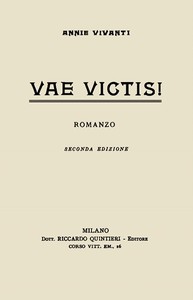
Vae victis! Romanzo by Annie Vivanti
Annie Vivanti's Vae victis! (Latin for 'Woe to the Vanquished!') throws you right into the aftermath of one of Rome's most humiliating defeats. The year is 390 BC, and the Gauls have just ransacked the city. The story picks up as the Romans begin the slow, painful process of rebuilding their homes and their pride.
The Story
The central drama revolves around a group of women—mothers, daughters, wives—who were taken by the Gauls during the sack and have now been ransomed back. While the men debate politics and fortify walls, these women return to a city that doesn't know how to accept them. They are physically home, but they've crossed a line in the eyes of their society. Their experiences as captives make them objects of pity, fear, and quiet condemnation. The plot follows their struggle to reclaim their lives, their identities, and their places within families that now look at them with a mix of love and shame. It's a quiet, domestic kind of warfare, fought in courtyards and bedrooms.
Why You Should Read It
Vivanti doesn't write about battles; she writes about the silence after the scream. Her focus on the women is what makes this book so powerful. Through their eyes, we see the true cost of conquest—not in burned buildings, but in shattered trust and broken spirits. The characters feel real and raw. You'll ache for their resilience and rage at the injustice they face from their own people. It's a stark reminder that history's 'victors' often have their own deeply vanquished. Vivanti, writing in the early 20th century, brings a modern psychological depth to this ancient setting, making the emotional stakes incredibly clear.
Final Verdict
This book is perfect for readers who love historical fiction that focuses on the people history forgets. If you enjoyed the intimate perspectives of books like The Dovekeepers or The Red Tent, you'll find a similar power here. It's also a great pick for anyone interested in themes of trauma, societal shame, and resilience. Fair warning: it's not a fast-paced adventure. It's a thoughtful, character-driven, and often heartbreaking portrait of survival. You'll close the book thinking about it for days.
Barbara Anderson
1 year agoA bit long but worth it.
Sarah Johnson
1 year agoI was skeptical at first, but the emotional weight of the story is balanced perfectly. Exactly what I needed.
Karen White
11 months agoAmazing book.
Christopher Garcia
7 months agoPerfect.




Carol Hill
10 months agoHelped me clear up some confusion on the topic.